


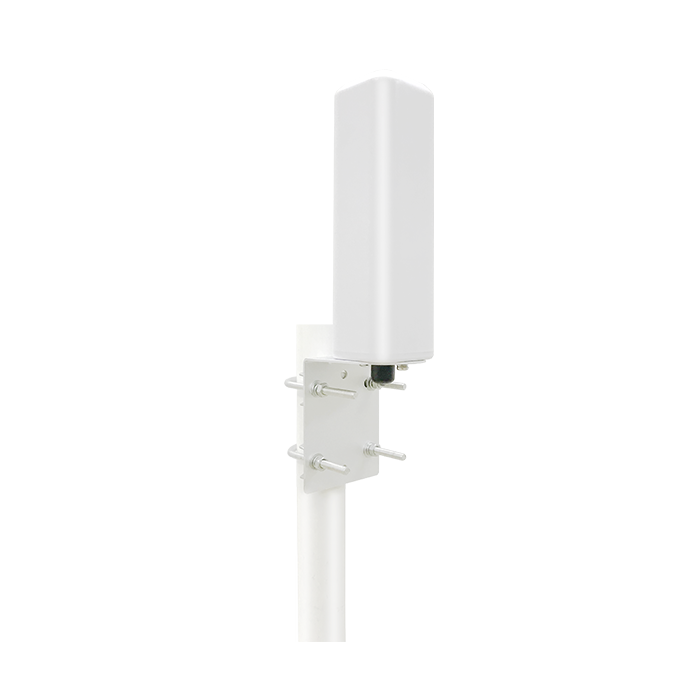
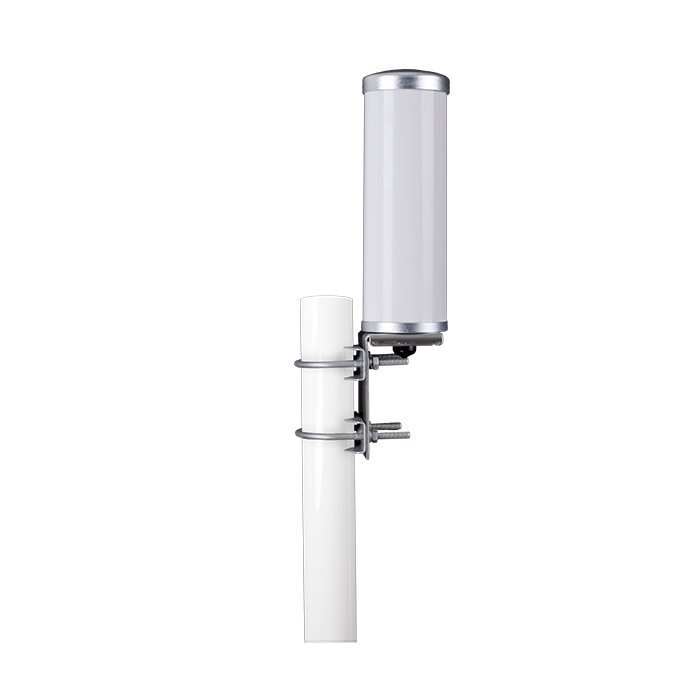
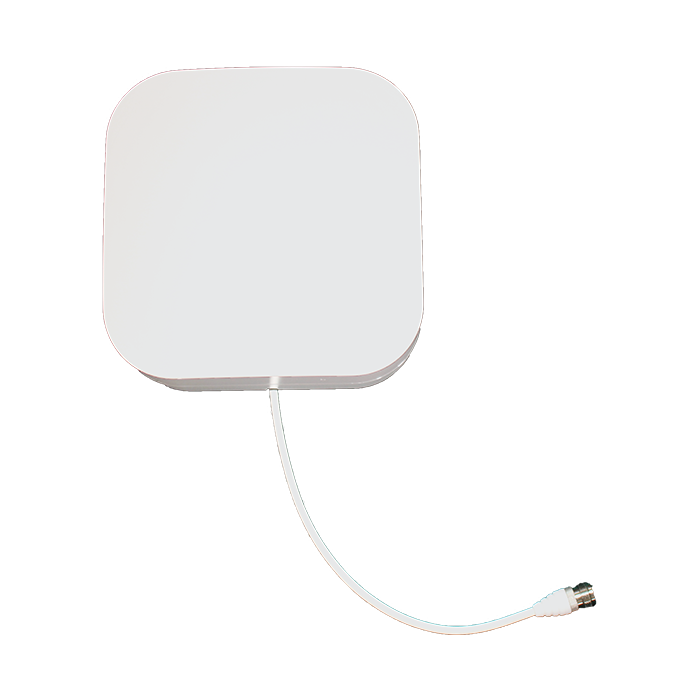
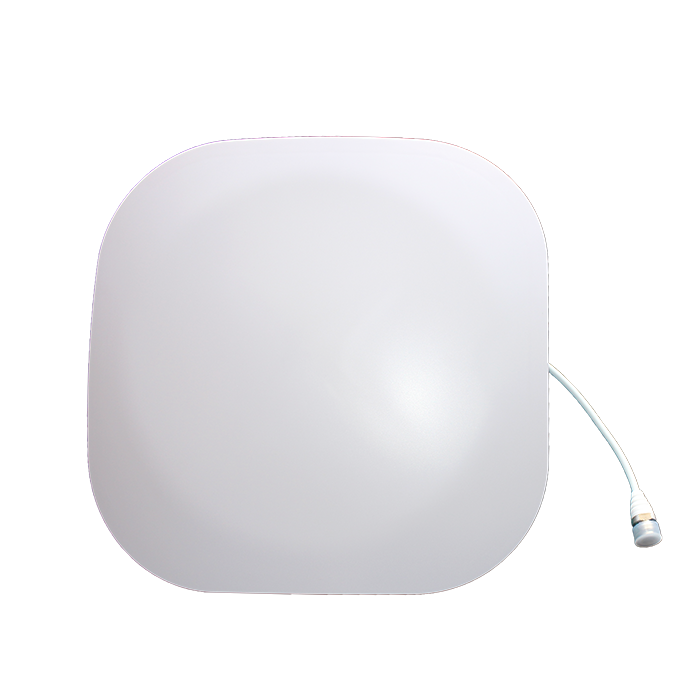
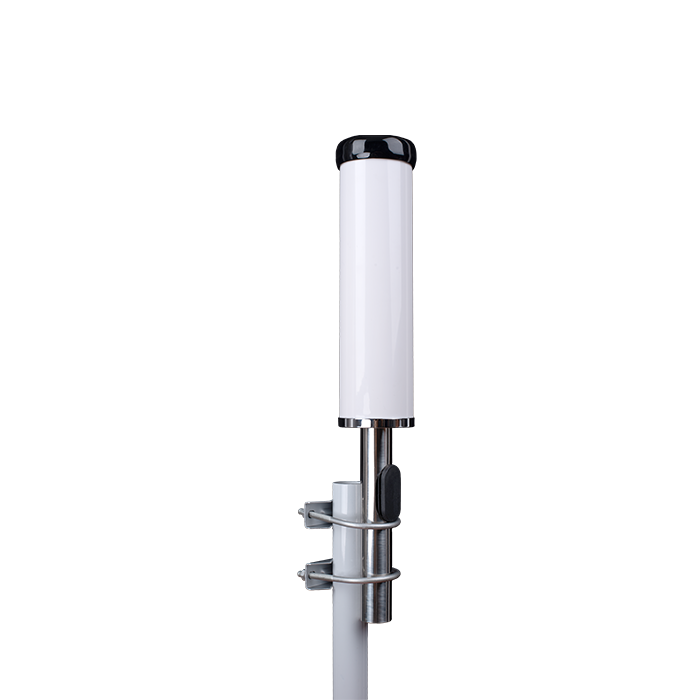
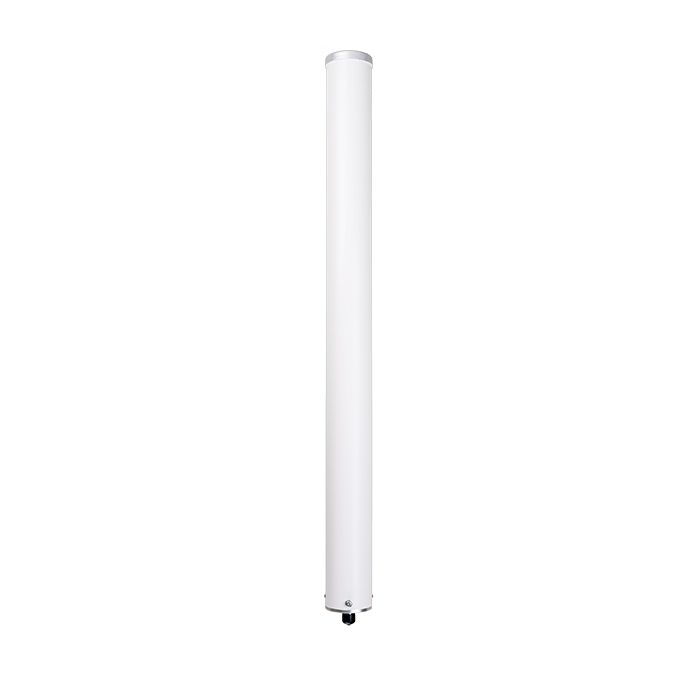
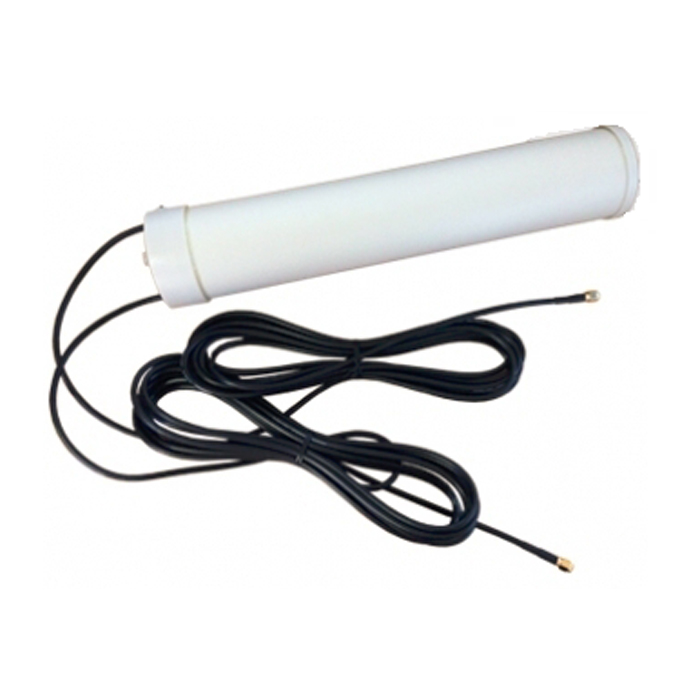
To increase or widen the coverage area, and thus the number of served clients, several sector antennas are installed on the same supporting structure, such as tower or mast.
Such a construction is often called a sectorized antenna, though sometimes for brevity "sector antenna" is used as well. It has several angularly-separated sector antennas.
Once the antenna unit is attached to a supporting structure, it has to be positioned. Positioning means not only setting a correct direction or azimuth, but setting a correct downtilt as well. By restricting emitted energy to a sub-circular arc and narrow vertical coverage the design makes efficient use of relatively low power transmitter equipment. Though absolute range is limited, this configuration allows for good data rates (digital information transfer measured in bits/second, sometimes given as total minus error-correction overhead), and good signal consistency within the coverage area.
Prior to positioning, grounding and lightning protection are required. All supporting constructions have lightning rods.
A well-chosen downtilt setting strategy can lower the overall interference in the network. A too-aggressive downtilting strategy will however lead to an overall loss of coverage due to cells not overlapping. Downtilting can be used to solve specific problems, for example local interference problems or cells that are too large. Electrical tilting slightly reduces beam width.
Do you have any questions ?
Call Us :+86 13928562987
Subscribe
Please read on, stay posted, subscribe, and we welcome you to tell us what you think.
0px
0px
0px
-80px
0px
0px
0px
60px
0px
0px
0px
-80px